
Let?s stop acting like the rules apply to everyone equally in this business.
If you?ve watched the music industry over the last two decades, you?ve seen the playbook. An artist steps out of line, the media runs the cycle, corporate sponsors pull their checks, and the suits quietly pull the plug. Within two years, that artist is doing apology tours, taking low-ball licensing deals, or completely fading out.
Then you look at Chris Brown.
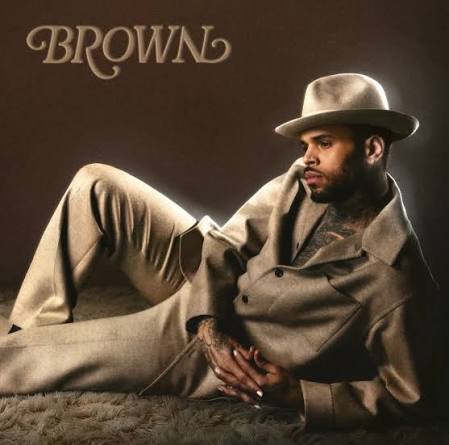
Twenty years into a career filled with high-profile court cases, ongoing legal battles, and a complete wall built between him and corporate America, he?s still putting up numbers that make major label executives sweat. His 12th studio project, BROWN, moved roughly 65,000 units first week, pulled over 60 million streams, and debuted inside the top 10 on the Billboard 200. All of this happened without the mainstream push, without the prime-time award show rollouts, and despite brutal critics giving it 1.3 reviews.
The industry calls it a "paradox." In the independent landscape, we call it leverage.
The real question isn't why the mainstream keeps trying to cancel him. The real question is: Is the gatekeepers' permanent hostility actually about his past, or is it because he proved he doesn't need their permission to survive?
1. The Corporate Compliancy Test
To understand why the industry treats Chris Brown like a permanent outcast, you have to understand how major corporate machines evaluate risk.
For 99% of artists, the ultimate goal presented by the industry is corporate assimilation:
- Land the $10M sneaker deal
- Secure the prime-time TV commercials
- Keep your image squeaky clean so brand managers feel safe putting you on billboards
To get those checks, the music machine demands total compliance. You bend to public relations strategies, you bow to executive demands, and when you mess up, you perform the exact brand-approved contrite ritual they design for you.
Brown didn't play that game. Whether out of raw stubbornness or pure artistic independence, he refused to put on the sanitized corporate mask. When an artist refuses to kiss the ring, the gatekeepers do what they always do: they lock the front door.
They expected the lock out to starve him into submission. Instead, he built his own door.
2. Owning the Bank: The 2019 Play That Changed Everything
In 2019, Chris Brown pulled off a move that fundamentally broke the traditional power dynamic between an artist and a major label. He renegotiated his contract with RCA Records to secure 100% ownership of his master recordings via a direct licensing agreement.
Understand what that means execution-wise:
- Traditional Major Deal: The label owns your music, takes 80-85% of the streaming revenues, and uses that money to dictate your moves.
- The Master Ownership Deal: Brown owns the assets. RCA acts as a distribution pipeline. He finances his operations, keeps the lion's share of the streaming royalties, and captures the real profit margins on his catalog.
When an artist owns their masters and can package 30+ track albums that generate hundreds of millions of streams, they don?t need a corporate sponsor to pay their mortgage. He became his own bank.
When you don't need their money, they lose their leash. That terrifies the traditional industry structure more than any bad headline ever could.
3. The Grace Perspective: Double Standards in the Suits
Giving an artist grace doesn't mean erasing legal history or pretending public convictions didn't happen. It means having the business maturity to look at the landscape and call out hypocrisy when you see it.
The music industry is packed with executives, managers, and corporate-backed superstars whose closets are overflowing with severe legal allegations, abuse claims, and financial exploitation. Yet, because those individuals stay fall-in-line corporate players?because they let the PR teams handle their image and they keep the corporate money flowing silently?they get quietly protected, pardoned, and invited back into the boardrooms.
Brown?s situation is different because his flaws, outbursts, and legal troubles have been lived entirely in the open. But more importantly, he never begged the corporate machine to let him back in. He leaned into a direct-to-consumer model.
4. The Direct Fanbase vs. The Gatekeepers
At the end of the day, Chris Brown?s staying power exposes the biggest shift in modern music history: The gatekeepers no longer control the supply chain.
If the public decides to stream an artist 60 million times in a week, a board of directors cannot stop it. If fans want to spend hundreds of dollars to pack an arena, a radio program director cannot cancel the venue booking.
The traditional machine hates a model it can't tax or control. They want an industry where survival requires compromise, where staying hot means saying "yes" to every corporate requirement.
Chris Brown stands as living proof of a different, high-friction path: if you build a loyal enough audience, maintain ownership of your assets, and deliver on pure performance and skill, you can survive the machine entirely on your own terms.
Whether people love him or hate him, every independent mind in this industry needs to pay attention to the mechanism. The machine isn't just mad about what he did in his past?they're terrified of what his autonomy proves for the future.