
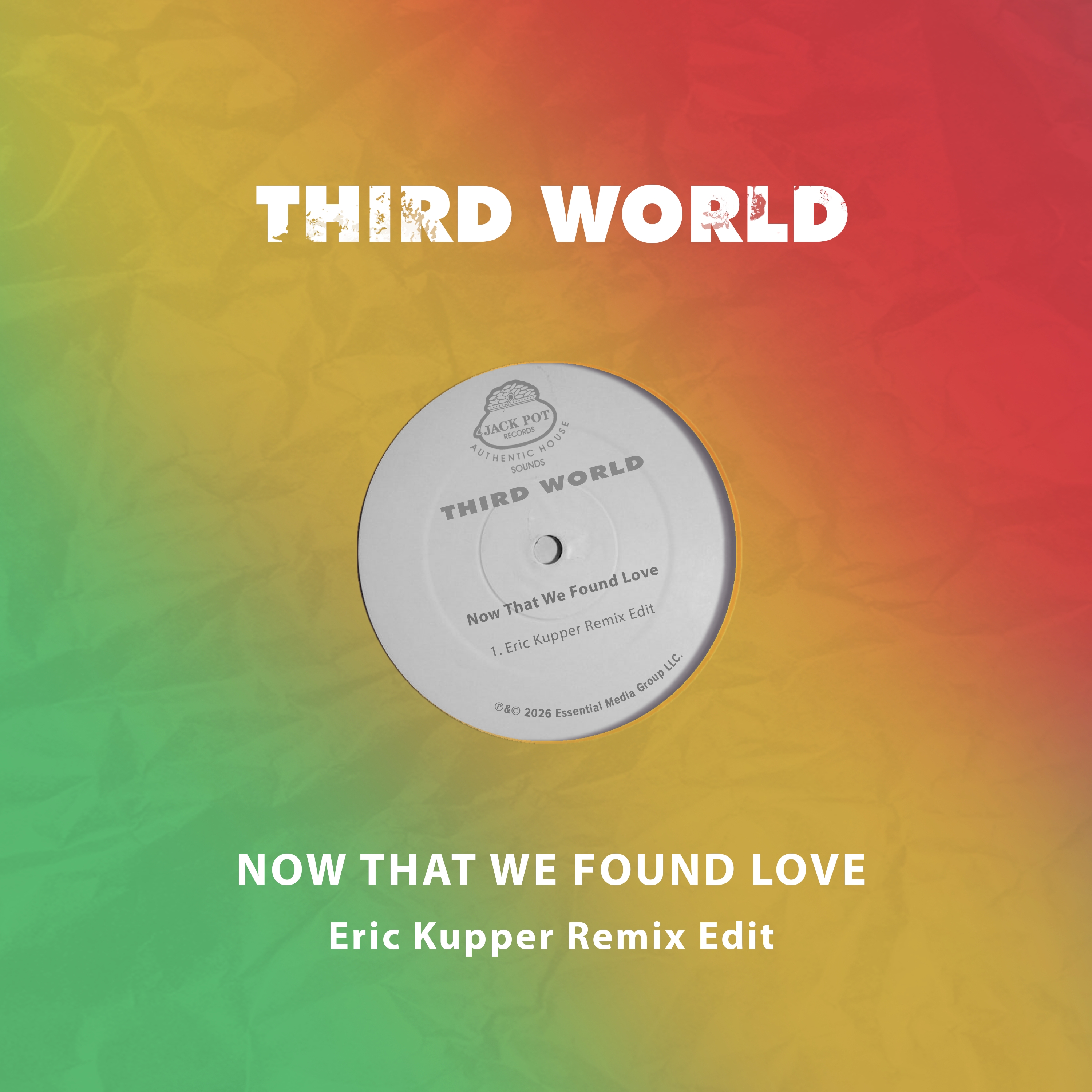
By Nathaniel Walker | New Money Trap Entertainment Blog
There are songs that belong to a particular generation.
Then there are songs that seem to belong to every generation.
?Now That We Found Love? is one of those songs.
Nearly five decades after The O?Jays first recorded the Gamble & Huff composition, the song is still being interpreted, rediscovered, danced to, remixed, and introduced to new audiences. Its journey has taken it from Philadelphia Soul to Jamaican reggae and disco, through the Hip-Hop era, and now into contemporary Soulful House.
That isn't simply a history of one song.
It is a window into the continuing evolution of Black music excellence.
And perhaps even more importantly, it is a story about something that every generation understands:
Love.
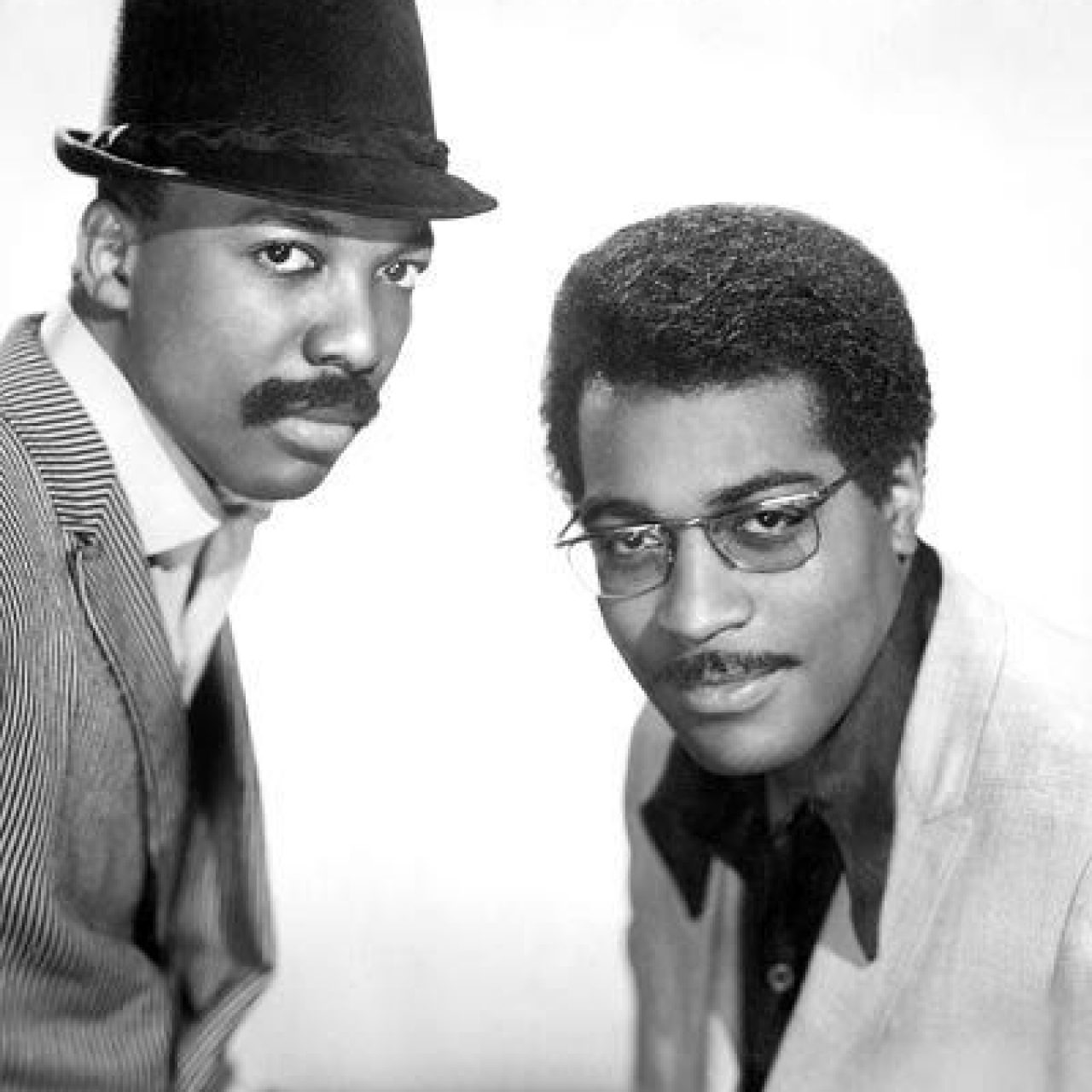
It Started in Philadelphia Soul
Before Third World. Before Heavy D. Before House music became a global phenomenon, there was The O?Jays, Kenny Gamble, and Leon Huff.
?Now That We Found Love? was written by Kenneth Gamble and Leon Huff and recorded by The O?Jays for their 1973 album Ship Ahoy. The recording came out of Philadelphia's Sigma Sound Studios and belongs firmly within the Philadelphia Soul tradition.
To understand why that matters, we have to understand the world Gamble and Huff were building.
Philadelphia Soul wasn't simply a collection of romantic records with beautiful strings. Gamble and Huff helped establish an entire musical and cultural movement through their songwriting, production, musicians, vocal groups, and Philadelphia International Records.
Their body of work helped define an era of sophisticated Black popular music?music capable of speaking about romance, relationships, community, social conditions, aspiration, and everyday Black life while remaining deeply rooted in melody, rhythm, orchestration, and vocal excellence.
The O'Jays were among the defining voices of that movement.
So when ?Now That We Found Love? entered the world, it was already carrying something important: the Philadelphia tradition of making Black music that could move both the heart and the body.
And look at the title.
Now That We Found Love.
The question isn't whether love exists.
The question is what happens after we find it.
That question would travel much farther than Philadelphia.
Then Jamaica Found the Song
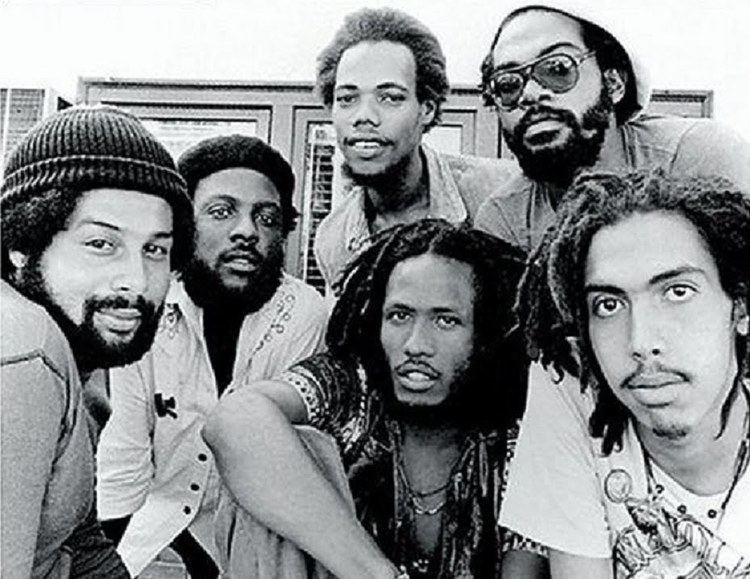
Five years later, in 1978, Third World took the composition somewhere else entirely.
The Jamaican band's interpretation appeared on Journey to Addis and became their first major international hit. The single reached the Top 10 in the United Kingdom and also broke into the U.S. Billboard Hot 100 and Hot Soul Singles charts.
But calling it simply a ?reggae cover? doesn't tell the whole story.
Third World understood what was happening in Black music internationally.
The late 1970s were the height of the disco era, and disco itself had deep roots in Black, Latino, and LGBTQ+ nightlife and dance culture. It was music built for movement?extended grooves, DJs, clubs, dancefloors, and communal release.
Third World brought their Jamaican musical identity into that environment.
Their version retained the group's island roots while embracing a funky, club-oriented disco sound. AllMusic describes the recording as a reggae-rooted interpretation wrapped in a powerful disco arrangement, which helped propel the song onto the international dancefloor.

That distinction matters.
Third World didn't erase the song's Philadelphia Soul identity.
They reinterpreted it through another Black musical tradition.
Philadelphia had spoken.
Jamaica answered.
And the world danced.
Black Music Keeps Building on Black Music
This is one of the things that makes the history of ?Now That We Found Love? so fascinating.
We sometimes talk about genres as though they exist inside separate boxes.
Soul over here.
Reggae over there.
Disco somewhere else.
Hip-Hop in another room.
House music on another floor.
But Black music history has never been that neatly separated.
The sounds communicate with one another.
Musicians listen to other musicians. DJs extend records. Producers borrow ideas. Singers reinterpret melodies. Communities take music created in one environment and make it speak to another.
?Now That We Found Love? became an extraordinary example of that process.
And then came Hip-Hop.
Heavy D Brings It to a New Generation
In 1991, Heavy D & the Boyz featuring Aaron Hall released their interpretation of ?Now That We Found Love.?
By then, Hip-Hop had become one of the most influential cultural forces in the world.
Heavy D understood the assignment.
The song was reconstructed for a new generation, combining Hip-Hop with the dance-oriented sound of the era. The result became one of Heavy D & the Boyz's biggest records, reaching No. 2 in the United Kingdom and No. 11 on the U.S. Billboard Hot 100.
Once again, the song had moved.
But it hadn't lost its identity.
A generation that had grown up with Hip-Hop could now hear something that had originated in the Philadelphia Soul era through a musical language that belonged to them.
That is not the destruction of tradition.
That is how tradition survives.
And Then House Music Changed the Dancefloor
This is where some of today's listeners may need a little history lesson.
House music is Black music.
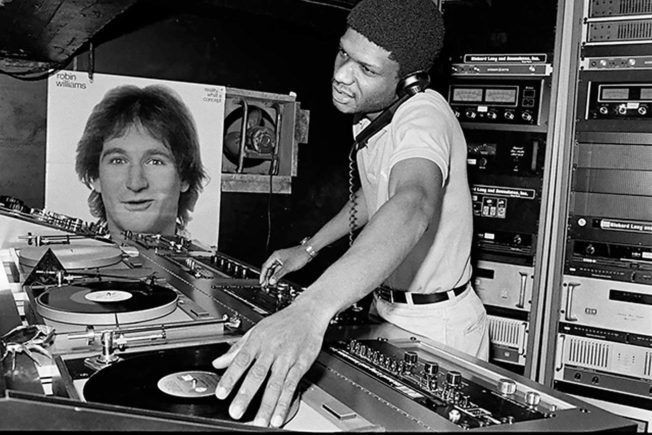
House music was born in Chicago in the late 1970s and early 1980s, growing out of the city's Black and Latino club culture and drawing heavily from disco, funk, soul, gospel, electronic music, and DJ culture.
The Warehouse, the legendary Chicago club associated with DJ Frankie Knuckles, became central to the development and naming of the genre. Its audience was predominantly Black, Latino, and gay, and its dancefloor became one of the environments from which House music developed.
That history matters.
House didn't appear as some completely disconnected electronic phenomenon.
It was part of the continuing conversation between disco, soul, funk, gospel, R&B and Black dance culture.
And from Chicago, House traveled.
It spread throughout the United States, then across Europe and eventually around the world. What began as an underground movement became a global musical language.
That brings us to today.
?Now That We Found Love? Finds the House Again
Enter Eric Kupper.
The latest interpretation of ?Now That We Found Love? takes the Third World recording into Soulful House.
And suddenly, the entire history begins to make sense.
Philadelphia Soul.
Jamaican reggae.
Disco.
Hip-Hop.
House.
These aren't random stops along a musical road.
They are chapters in a much larger Black music story.
The new Eric Kupper Remix doesn't need to pretend the previous versions never happened. In fact, its significance comes from the opposite.
It joins the lineage.
Kupper brings the composition into today's Soulful House environment while respecting the musical identity that made the record endure in the first place.
As of September 18, 2026, the Eric Kupper Remix is sitting at #2 on the Traxsource Soulful House chart and #10 on Traxsource?s overall Top 100, while also receiving DJ support. For a composition first recorded by The O?Jays in 1973, those numbers represent a remarkable present-day chapter in a musical journey that has already crossed Soul, Reggae, Disco, Hip-Hop, and now Soulful House.
The track has been receiving DJ support and has been charting prominently on Traxsource's Soulful House platform, demonstrating that a composition born in the Philadelphia Soul era can still compete for attention on today's global dancefloor.
That's the part that should make music lovers stop for a moment.
Think about the distance this song has traveled.
Philadelphia.
Jamaica.
Hip-Hop.
Chicago and the House tradition.
Today's global Soulful House community.
Different decades.
Different producers.
Different musicians.
Different technologies.
Different audiences.
Yet the song keeps coming back.
And maybe the reason is sitting right there in the title.
Now That We Found Love
Love.
Not as a marketing slogan.
Not as a trend.
Not as something that belongs to one generation.
Love is the common language running underneath this entire musical journey.
When Gamble and Huff wrote the song, they created a composition about discovering love and asking what happens next.
When The O'Jays delivered it, it lived inside the world of Philadelphia Soul.
When Third World interpreted it, the message crossed the Caribbean and landed on an international disco-era dancefloor.
When Heavy D and Aaron Hall brought it into the Hip-Hop era, another generation found itself singing and dancing to the same fundamental message.
And now Soulful House has picked it up again.
Maybe that's why the record continues to resonate.
Every generation needs love.
And every generation finds its own way to express it.
Why This Matters Right Now
We live in a world where it can sometimes feel easier to identify what separates us than what connects us.
Different cultures.
Different generations.
Different neighborhoods.
Different musical tastes.
Different beliefs.
Different experiences.
Yet music has always had a remarkable way of creating a common space.
The dancefloor doesn't require everyone to have the same story.
It asks whether we can share the same rhythm.
That has been part of Black music culture for generations.
From the soul rooms of Philadelphia to Jamaican sound systems. From disco dancefloors to Hip-Hop parties. From Chicago House clubs to today's global electronic music scene, music has repeatedly created spaces where people could come together.
That doesn't erase the histories of the communities that created these sounds.
It honors them.
Because when a culture creates something powerful enough for the world to embrace, the answer should not be to erase where it came from.
The answer should be to learn the history.
Understand the contribution.
Respect the people.
And then keep the music moving.
A Song That Refuses to Stand Still.
That's why the Eric Kupper Remix matters to us at New Money Trap Entertainment.
We're not simply hearing a new remix of an old song.
We're hearing another chapter.
A Philadelphia Soul composition written by Gamble and Huff.
A classic interpreted by The O'Jays.
A Jamaican reinvention by Third World that crossed into the international disco era.
A Hip-Hop-era interpretation from Heavy D & the Boyz featuring Aaron Hall.
And now a Soulful House interpretation from Eric Kupper.
Nearly five decades of musical evolution.
One composition.
One message.
Love.
And perhaps that is the greatest lesson hidden inside the history of ?Now That We Found Love.?
Black music does not have to remain frozen in the moment when it was created to be authentic.
It can evolve.
It can travel.
It can cross generations.
It can enter new rooms.
It can introduce itself to people who weren't even born when the original record was released.
And if the music continues to carry the spirit of where it came from while speaking honestly to where we are today, that's not the end of the tradition.
That's the tradition continuing.
So here we are in 2026, listening to ?Now That We Found Love? once again.
The groove has changed.
The technology has changed.
The dancefloor has changed.
The audience has changed.
But the question remains:
Now that we found love, what are we going to do with it?
Maybe that's the question we need to keep asking.
Because in a world that could use more understanding, more connection, and more reasons to move together instead of apart, there is something powerful about a song that has spent nearly five decades reminding us of one simple idea.
Love is worth finding.
And once we find it?
we should do something with it.
? Nathaniel Walker
New Money Trap Entertainment Blog
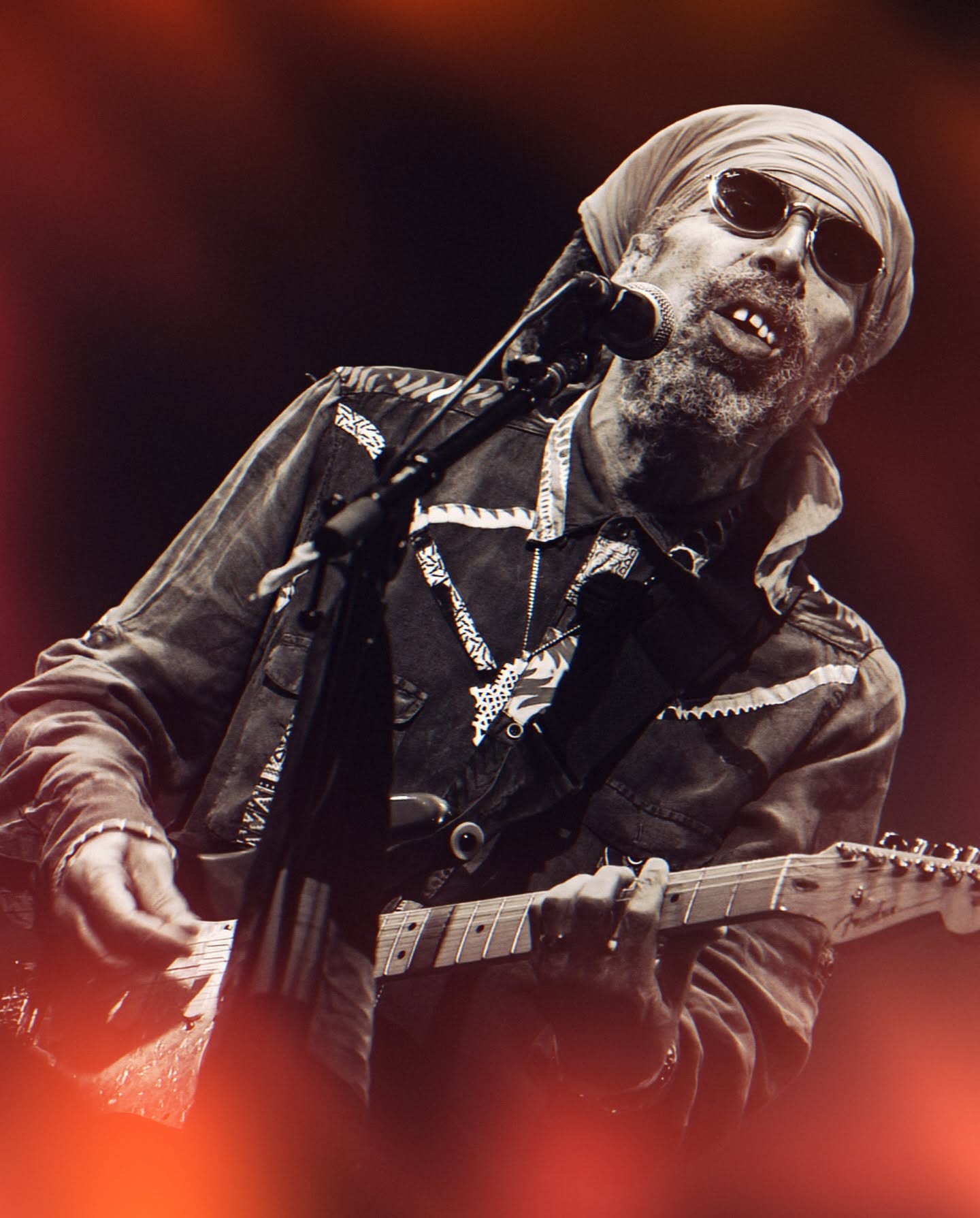
It is important to pause here and acknowledge the recent passing of Stephen ?Cat? Coore, co-founder of Third World and one of the musicians who helped shape the band's extraordinary musical legacy. His guitar, cello, arrangements, and vision helped Third World become one of Jamaica's most internationally respected musical institutions.
As we revisit what ?Now That We Found Love? became through Third World's interpretation, we are also remembering one of the men who helped carry that music across borders and generations.
Rest in Peace, Cat Coore.
Your music continues to move.
Create a free account and drop a comment below to share your favorite Third World memory or your thoughts on the new remix edit!